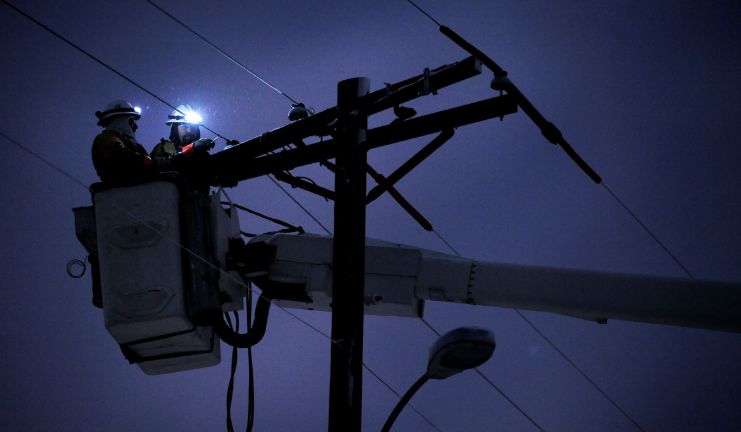
So, thinking about the recent news article about Spain and Portugal’s power outage, what risk management aspects would you need to consider if your business services grounded to a halt for 24 hours or more?
Thankfully these sort of incidents are quite rare but you would of course need to consider a whole range of risk management aspects such as:
Loss of Revenue: The inability to generate income for that 24-hour period.
Fixed Costs: Even with no activity, you’ll likely still incur fixed costs like rent, loan repayments, salaries and utilities. This eats into your profitability.
Contractual Penalties: If your business fails to deliver goods or services you might face penalties or breach of contract claims.
Increased Operational Costs: Restarting operations after a close down could involve overtime pay or other unplanned expenses to catch up.
Service Backlog: A 24-hour halt will create a backlog that needs to be managed, potentially requiring extra resources.
Data Loss or Corruption: Depending on the cause of the halt (e.g., power outage, cyberattack), there’s a risk of losing or corrupting critical business data if proper backup and recovery systems aren’t in place.
Equipment Downtime: You could experience equipment failure, which could take longer than 24 hours to resolve, extending the disruption.
Communication Breakdown: Maintaining clear communication with all stakeholders is crucial to avoid confusion and anxiety.
Customer Dissatisfaction: Failure to meet expectations may lead to unhappy service users, cancellations, and negative reviews.
Damage to Brand Image: A significant operational failure, even for a day, can negatively impact your brand image and reputation.
Negative Media Attention: Depending on the scale and nature of the disruption, it could attract negative media coverage, further damaging your reputation.
Employee Morale and Productivity: Uncertainty and lack of communication during a close down can negatively impact employee morale and productivity.
Potential for Absenteeism: If the halt is due to an external factor (e.g., transport disruption), employees might not be able to get to work even after operations resume.
These are just a few areas, the list could be exhaustive but to address these risks, you should already have robust risk management and business continuity plans in place, including:
Business Impact Analysis (BIA)
Contingency Planning
Disaster Recovery Plan (DRP)
Communication Plan
Insurance Coverage
Regular Testing and Training
Financial Reserves
And by proactively considering these risk management aspects, any negative consequences can be minimised to ensure a faster and more effective recovery.