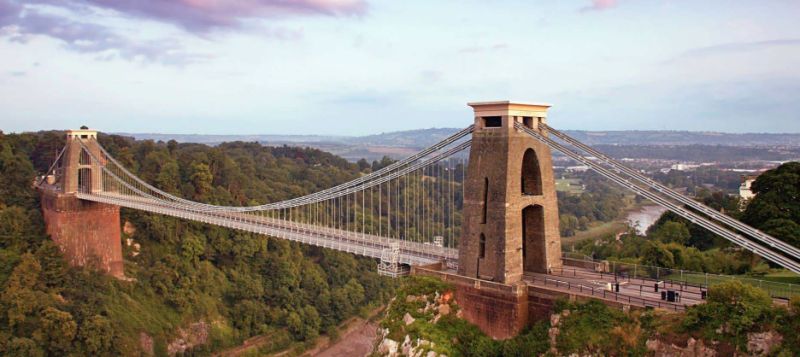
This weekend’s visit to the Clifton Suspension Bridge left me utterly captivated.
To stand on the bridge, feeling its subtle vibrations beneath my feet, the tremor in the cables as I gripped the barriers and seeing the bridge flex as traffic went across it, was quite an experience. I’d always assumed Brunel was the sole visionary behind this incredible structure, but it turns out he passed away before its completion. His initial designs were significantly enhanced to ensure the final bridge’s enduring strength and stability.
While some might speculate that Brunel’s original plans would have led to the bridge’s demise long ago, an astonishing fact remains: over 90% of the original components – the structures, brackets, the deck, even the nuts and bolts – are still in place more than 150 years later.
⚒️ It’s mind-boggling to consider that this feat of engineering was achieved without the Health & Safety regulations we have today, no safety harnesses, no CAD software, no formal Risk Management strategies. How on earth did they manage to construct such a magnificent and lasting monument?
What’s even more astounding is its continued ability to bear the weight of modern traffic, or, to put it into perspective, 1 jet liner or 14 elephants or 1100 people or 250,000 footballs!
❓ Would we be able to build such a structure today? Of course we could. Would it take 33 years to complete? Probably not!
But building a modern-day suspension bridge would involve a far more comprehensive and rigorous approach to worker safety, far exceeding the practices of Brunel’s day.
To name but a few:
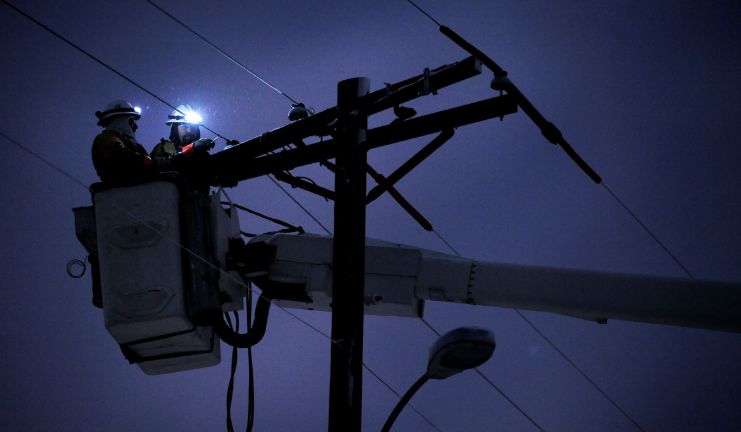
Strict Adherence to Legal Standards and Procurement Processes, Detailed Safety Plans, Method Statements, Permit-to-Work Systems, Regular Inspections, Mandatory Safety Inductions, Specialised Training: Working at Height regulations, Working Over Water safety, Heavy Lifting and Rigging, Cable Spinning and Handling, Confined Spaces, Operation of Specialised Equipment: Competency Assessments, Regular Refresher Training, Emergency Response Training, Use of PPE including Hard hats, safety goggles and Hi-Viz clothing, ear protection etc., Clear Communication Channels, Regular Safety Meetings, Toolbox talks, Worker Involvement, Adequate on-site Facilities such as access to clean drinking water and sanitation facilities, Work-Life Balance, Mental Health Support, Building Information Modelling (BIM) and CAD to plan and visualise complex construction sequences and to identifying risks in advance, Drones and Remote Monitoring to reduce the need for workers to be in hazardous situations and Wearable Technology to alert to proximity hazards.
In essence, to build a suspension bridge such as this now, places an absolute priority on the safety and well-being of its workforce through meticulous planning, comprehensive training, provision of appropriate equipment, and a strong safety culture.
And that’s before we even start on the Planning Process!